





The Problem
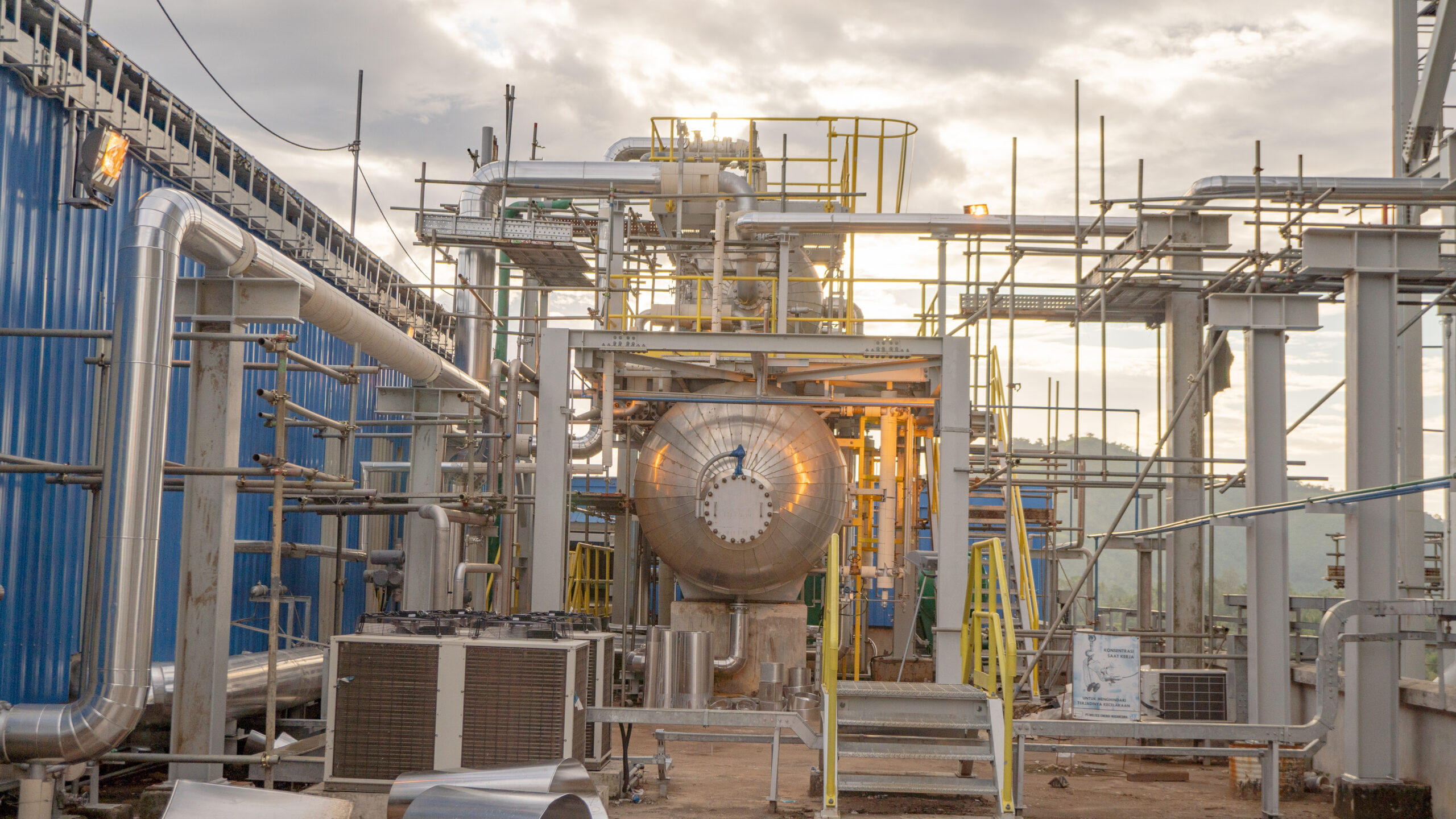
A company operating in the waste-to-energy sector, with a plant that performs pyrolysis,
believed they would fall under the Control of Major Accident Hazards (COMAH)
regulations. This assumption was based on a misunderstanding of the regulatory
thresholds and would have led to significant additional compliance costs and operational
burdens.
We were brought in for our ability to deliver fast, practical guidance — helping the client
quickly determine whether COMAH applied, and if not, which alternative regulatory
frameworks they needed to consider.

My Approach
The client was unsure how to apply Schedule 1 of the COMAH regulations, particularly regarding whether substances should be classified under Part 1 or Part 2. Using our detailed knowledge of COMAH legislation and classification methodologies, we reviewed the site’s inventory and processes. We clarified the correct interpretation of Schedule 1 and applied the appropriate thresholds to determine that the site did not, in fact, meet the criteria for COMAH.

The Result
The project achieved the following results:
- Avoided unnecessary regulatory burden by correctly interpreting COMAH applicability.
- Saved the client significant time and cost by preventing misclassification.
- Provided clarity and confidence in regulatory positioning, supporting future planning and investment.
- Strengthened internal understanding of COMAH thresholds and compliance strategy.
- Enabled the business to focus resources on actual risk-reduction priorities rather than unnecessary compliance efforts.
Want to ensure your site is accurately classified under COMAH regulations?
Book a free 30-minute consultation to discuss your operations and find out whether COMAH or other regulations apply — and how to stay compliant without unnecessary cost or complexity.