





The Problem
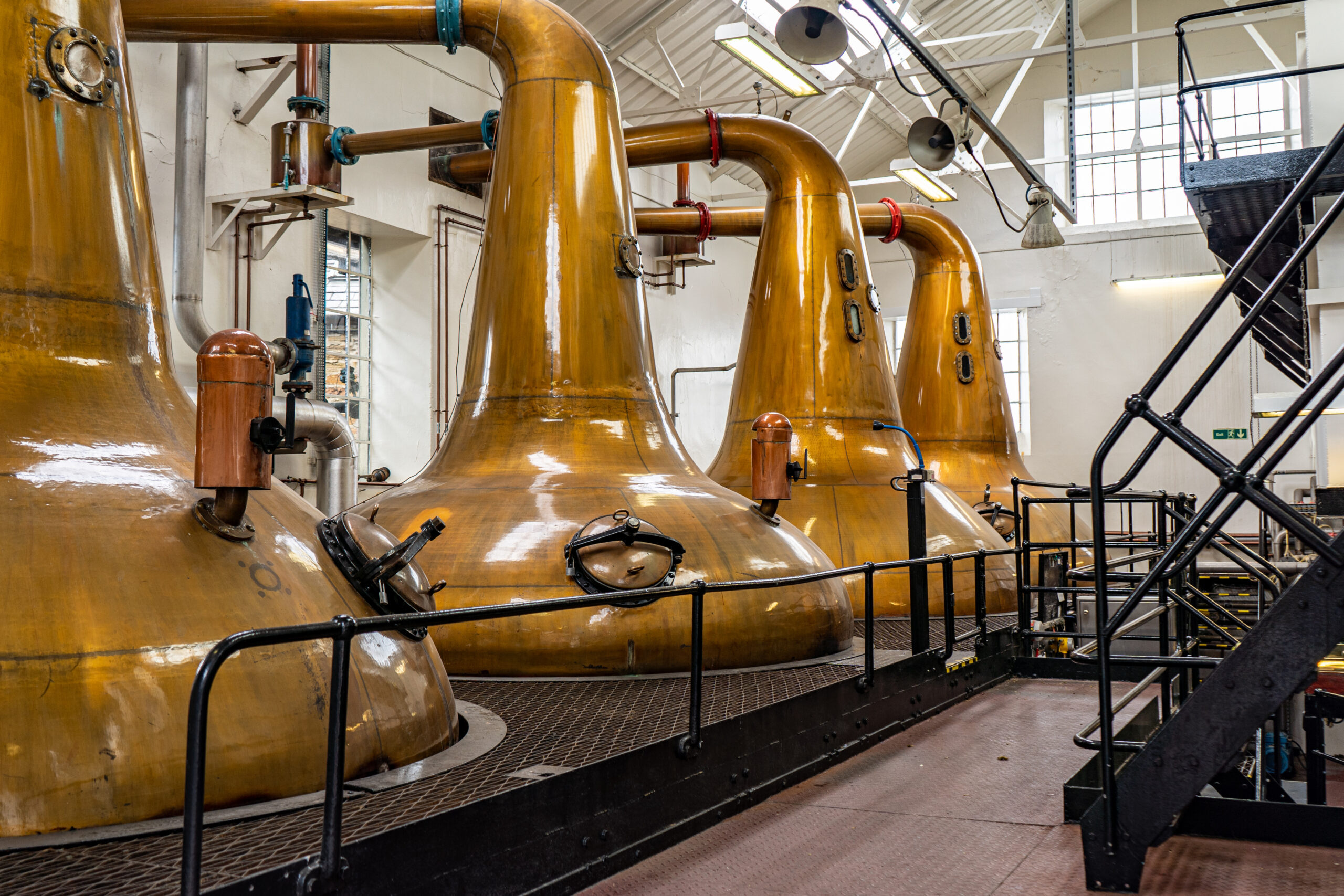
A client in the Scottish whisky industry operating a lower-tier COMAH site was planning to modernise their manual mixing vat operations by introducing a higher degree of automation. While this promised operational improvements, it raised questions about the Safety Integrity Level (SIL) requirements for the proposed instrumented systems. The challenge was compounded by two key factors: the company lacked internal competence in functional safety, and previous assessments had relied on simplistic LOPA rule sets with excessively high human error rates, which had driven inflated risk scores and unnecessarily high SIL ratings.

My Approach
To provide a more accurate and proportionate assessment, we leveraged the fact that the existing process was manual and worked backwards through the LOPA using site-specific operational data, near-miss records, and historical overfill events. This allowed us to construct a realistic estimate of the baseline risk without automation. From this, we deduced the integrity requirements for any proposed process control and trip functionality. This approach avoided generic assumptions and instead reflected the actual operating context of the site.

The Result
The project achieved the following results:
- The site was able to implement process control and trip functionality that improved safety without triggering SIL requirements.
- The client avoided the need to develop enhanced functional safety competence, reducing training and compliance burdens.
- Confidence in the risk assessment process was restored, with a clearer understanding of how to meet COMAH expectations proportionately.
- The approach demonstrated how data-driven analysis can lead to smarter, lower- cost safety decisions — especially in legacy operations transitioning to automation.
Need help assessing SIL requirements for legacy or manual operations?
Book your free 30-minute consultation to explore how I can help you modernise safely and cost-effectively.